
Sustainable Impact in Haiti: Education, Economic Empowerment, and Health
Education
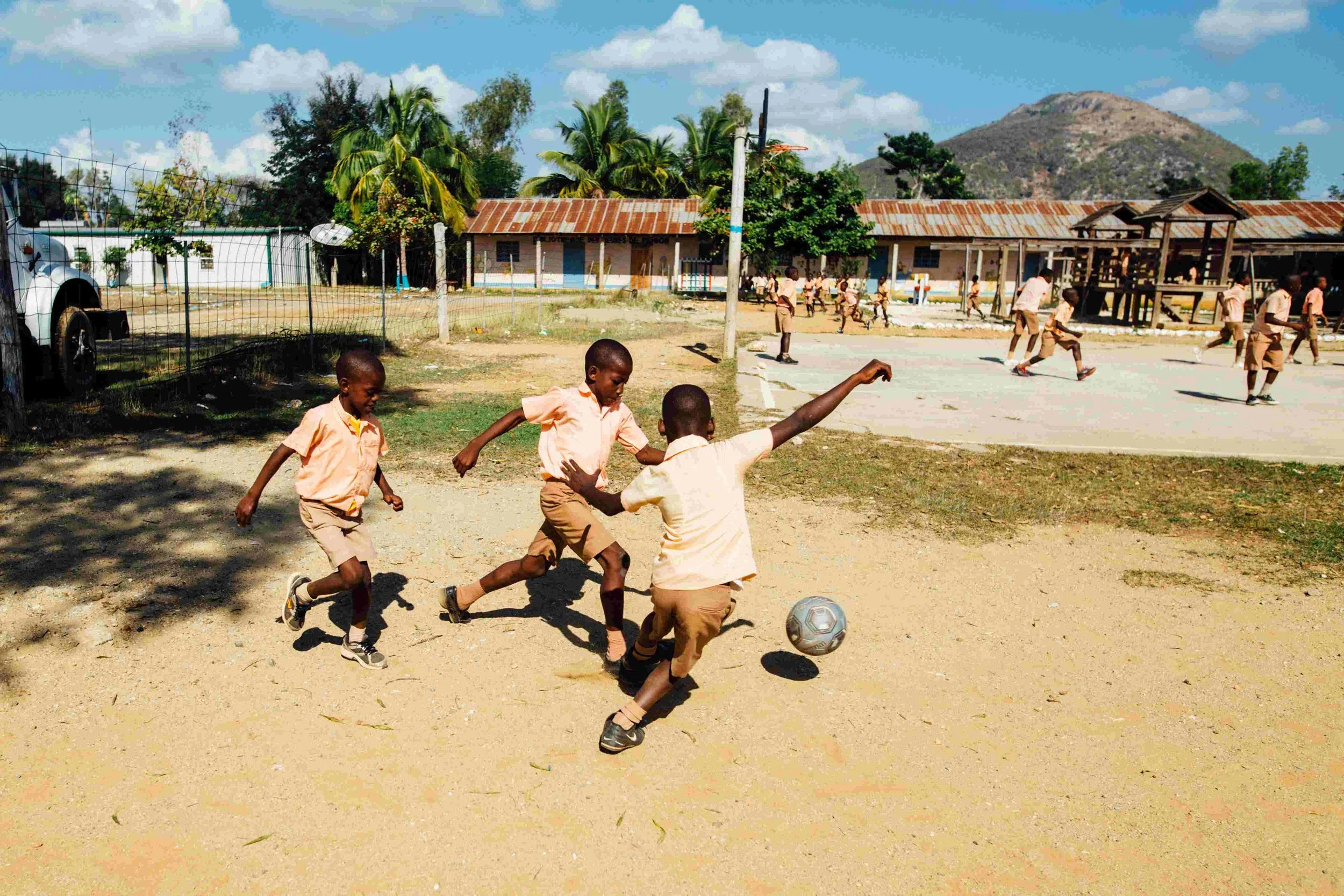
Lack of access to education remains a key obstacle to social and economic development in Haiti. According to UNICEF, almost 20 percent (250,000) of children aged between 6 and 11 do not attend primary school.
Getting a spot at a public school is highly competitive because of the low number of public institutions. Nearly 80 percent of primary schools are private, run by non-profit organizations, churches, communities, and businesses, charging tuition and fees that many parents can’t afford.
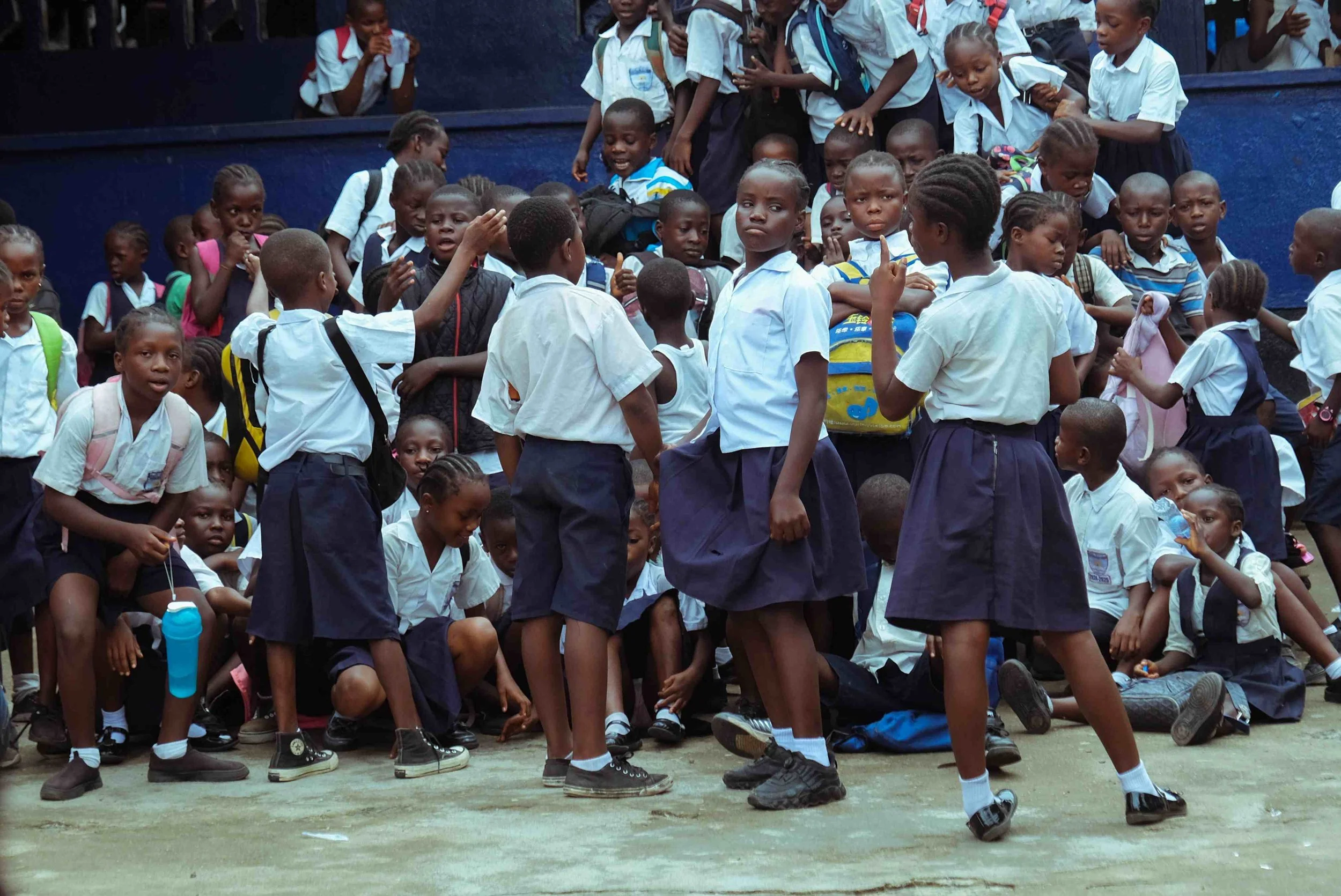
The future of a child without an adequate level of education is bleak. A child out of school is a child at risk because they are more likely to be recruited by gangs and are more vulnerable to exploitation.To improve Haiti’s level of human capital, it is essential that children receive a quality, affordable education.
You can help
Every child deserves an equal chance in life. Your donations can help HDF positively transform a child’s life and create a brighter future.
Economic Empowerment
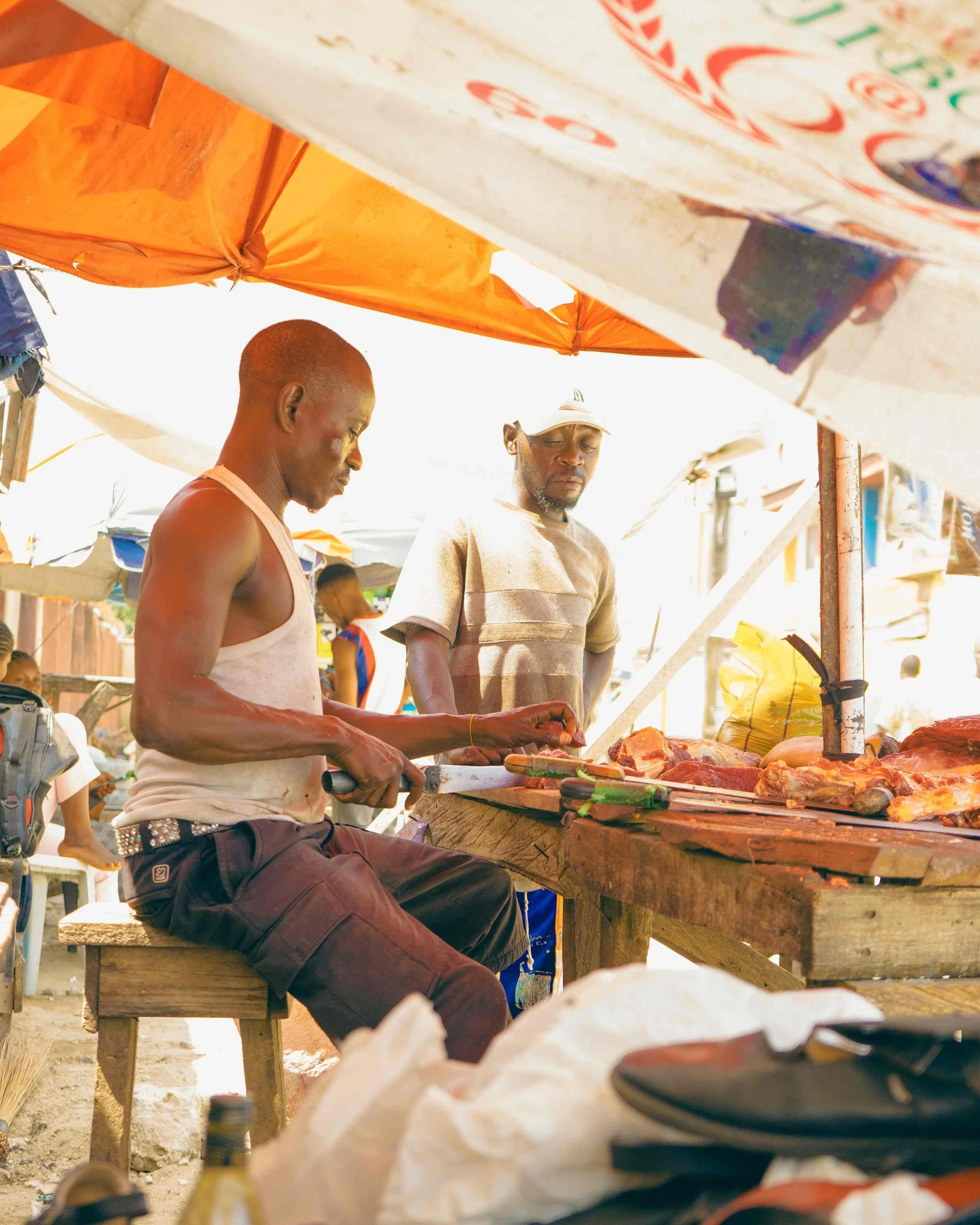
Imagine possessing the drive to work, the talent to create, and the desire to provide for your family—but zero access to the few dollars needed to begin. In developing nations like Haiti, this is the reality for millions. It is not a lack of ambition holding people back; it is a lack of capital. When you live on less than $2 a day, saving money to buy basic inventory or tools isn't just difficult—it is mathematically impossible.
The Reality of Extreme Poverty
Traditional financial systems do not serve the poor. Without collateral, commercial bank loans are out of reach, forcing many to rely on predatory local moneylenders who trap them in high-interest cycles. Surviving day-to-day on informal odd jobs means a single illness or natural disaster can instantly plunge an entire household into severe hunger.
Why Micro-Grants are the Solution
While emergency aid is vital during a crisis, it does not cure poverty. Micro-grants do.
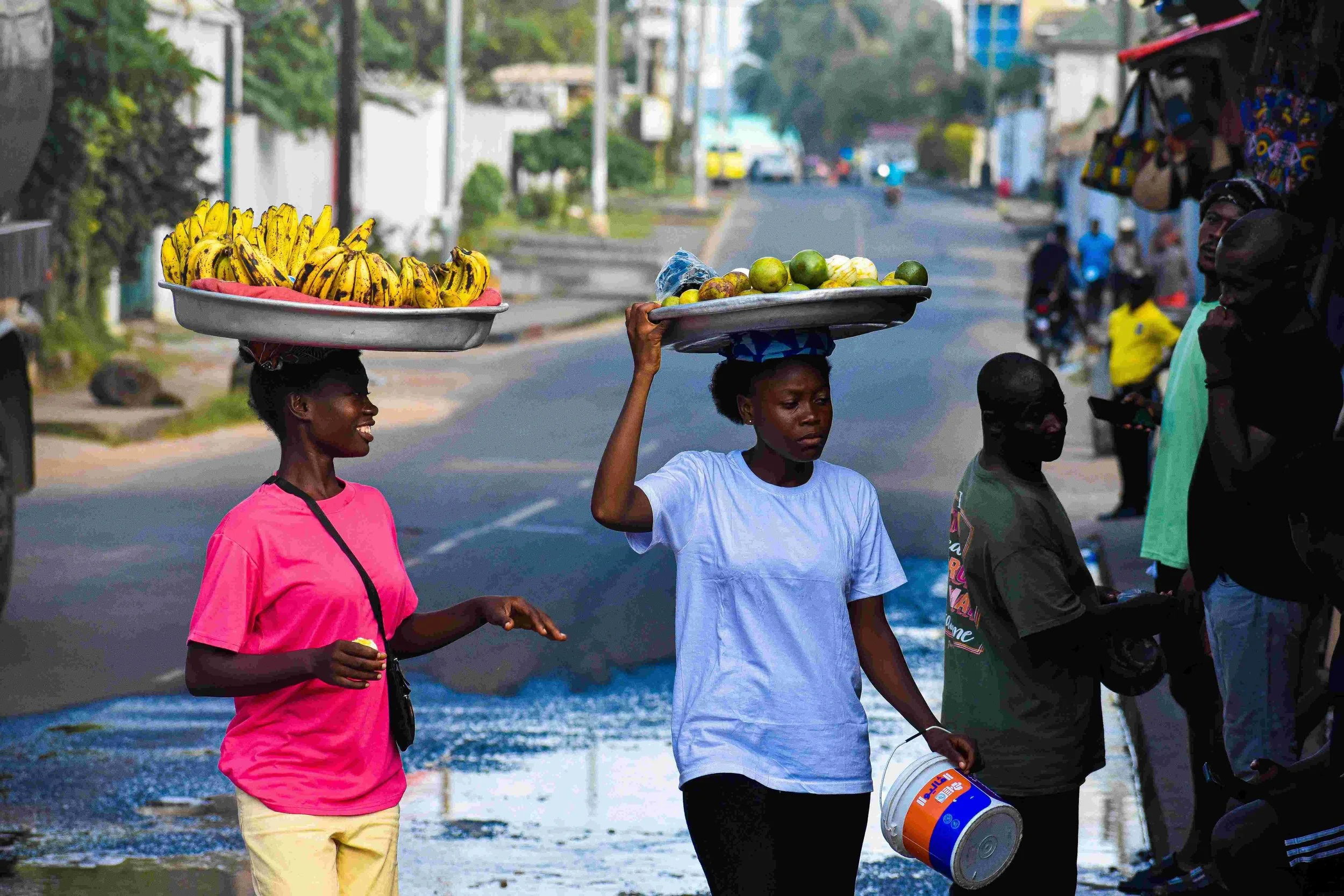
A micro-grant is a small, one-time investment (often just $50 to $200) given directly to an aspiring entrepreneur. Unlike loans, these grants carry no debt, providing a clean runway to build a sustainable business.
Immediate Launch: Recipients buy foundational assets—like sewing supplies, a sack of flour for baking, or bulk produce to sell.
Household Security: Stable daily profits ensure reliable food, clean water, and medicine for the family.
Generational Change: Increased income allows parents to pay for school fees, using education to permanently break the cycle of poverty.
Dignity over Dependency: Micro-grants shift the dynamic from charity to partnership, honoring recipients as capable business owners.
The Urgency: Your Value Multiplied
With economic instability worsening globally, the window to help families secure their livelihoods is shrinking. However, the leverage of your dollar has never been higher.
Because local currencies go incredibly far, a donation that represents a casual dinner can permanently alter the life trajectory of a family abroad. You aren't funding a temporary fix; you are buying the tools, seeds, and inventory that yield independence for years to come.
By donating today, you provide the spark that allows a hardworking individual to stand on their own two feet, feed their children, and rewrite their future.g
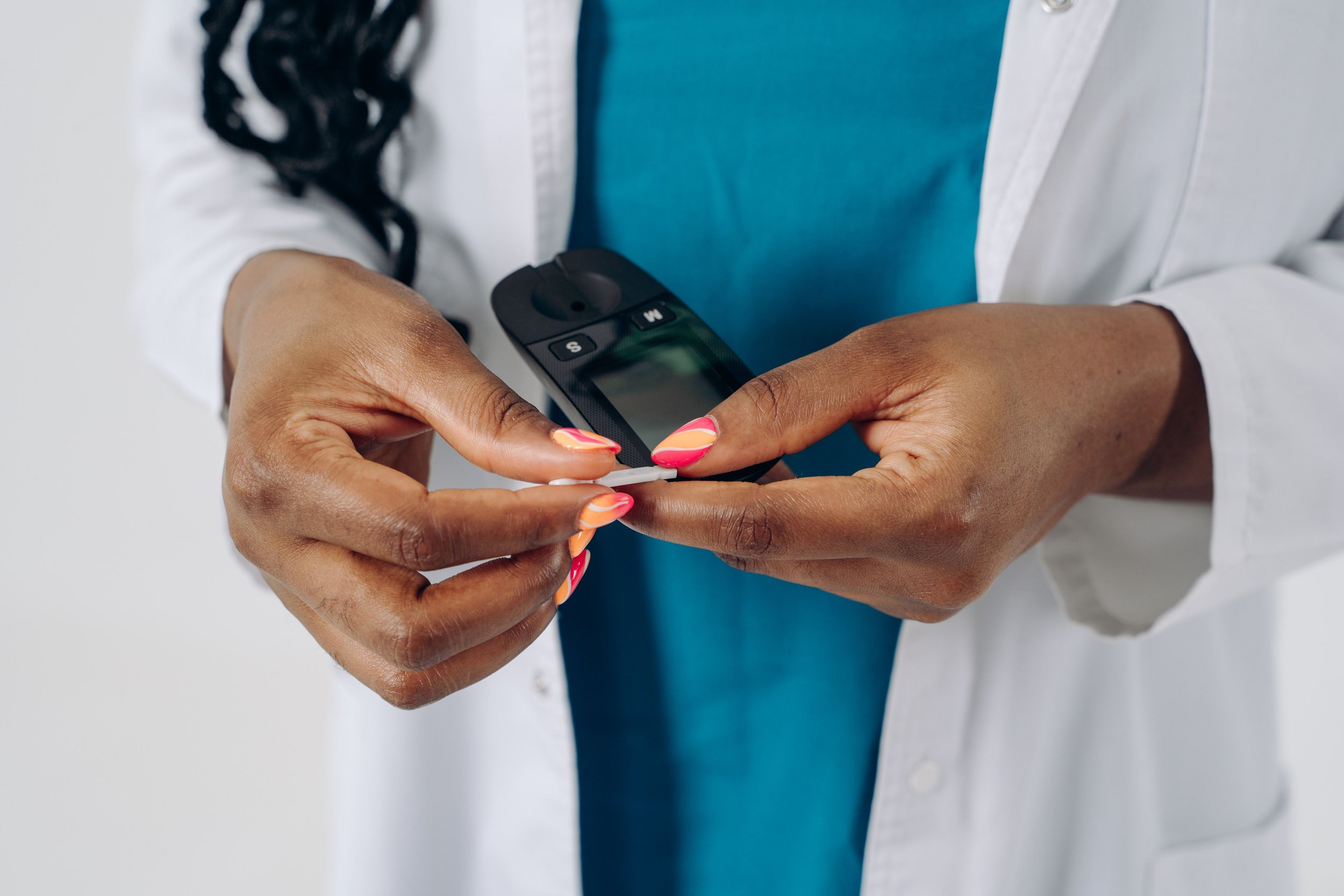
Supporting Health Missions
HDF is deploying short-term medical missions to step directly into this massive care vacuum. We aren't just shipping crates of medicine; we are sending teams of highly skilled, culturally literate doctors, nurses, and specialists directly to the frontlines.
This critical work relies entirely on the generosity of people like you.
Because we work with passionate medical volunteers who donate their time and expertise, every dollar you contribute is supercharged. Your financial support bypasses bureaucratic red tape to deliver tangible, immediate relief.
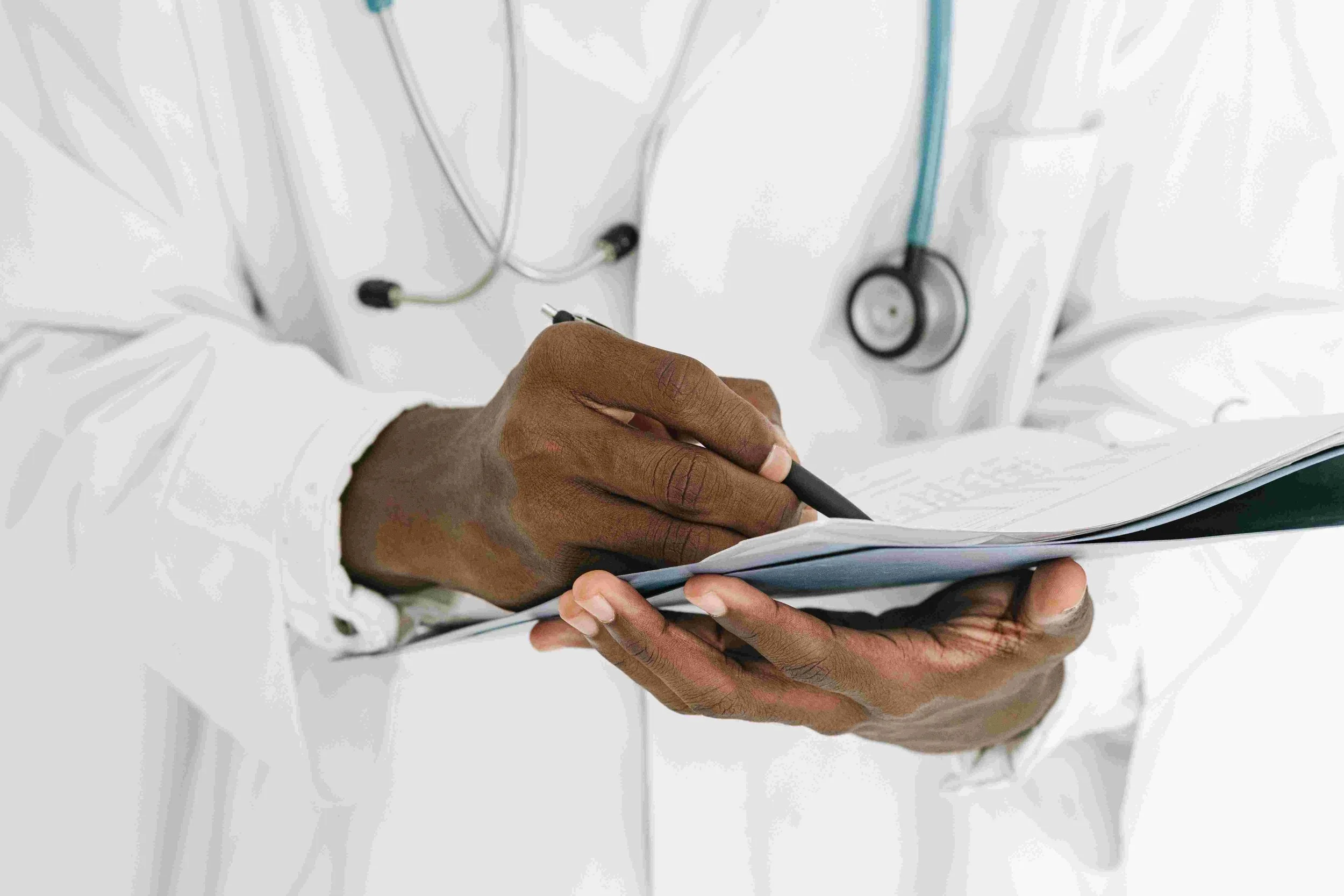
Picture a mother waiting in the dark, comforting a child burning with a fierce, persistent fever. She knows that the nearest hospital is miles away through highly unstable, dangerous terrain. She also knows that even if she braves the gang-controlled checkpoints and roadblocks to get there, the facility will likely be dark, empty, and entirely depleted of medicine.
For millions of people in Haiti, this is the reality of trying to survive. Right now, escalating instability, severe supply shortages, and infrastructure collapse have forced more than 60% of the medical facilities in Port-au-Prince to close down or dramatically reduce operations. Across the country, less than 30% of health facilities are fully functional.
When a healthcare system breaks down completely, preventable conditions like waterborne infections, respiratory illness, and maternal complications rapidly become fatal. But you have the power to change this story.